oral health

Cold and flu season is upon us, are you prepared?

September 28th, 2012


It’s that time of year to start thinking about protecting yourself and your family from the flu. Here are some simple steps you can take to help yourself avoid colds and the flu this season.

• Wash your hands before and after brushing
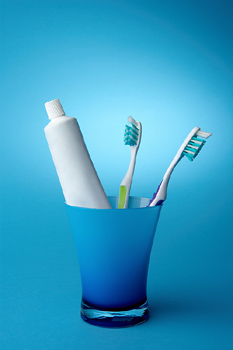
• Allow the brush to air dry after each use, harmful bacteria dies after being exposed to oxygen
• Store the toothbrush in an upright position to allow water to drain and dry faster
• Replace toothbrush after every cold or flu or every 3-4 months when bristles appear worn

To promote a healthy and clean environment, our team gives a great deal of attention to sanitation and sterilization in our office at all times, as well as following all requirements for sterilizing instruments and work surfaces.

For the protection of other patients and our staff, we always ask that patients reschedule their appointments if they have any type of cold or illness that can infect others. We hope this helps and give us a call if you have any questions!

Stay healthy this beautiful autumn!

Ask Dr. Jensen: “How do I prevent tooth decay during my treatment?”

January 16th, 2012


Great question!

If you are brushing and flossing daily during your orthodontic treatment with Dr. James Jensen, we think that’s great! But, don’t forget that it’s also important for you to visit your general dentist every 3-to-6 months in addition to brushing your teeth and flossing (and visiting Dr. Jensen's office, of course). Regular dental checkups are important for maintaining good oral health, especially during orthodontic treatment.

Tooth decay, which is caused by sugars left in your mouth, can turn into an acid, which in turn can break down your teeth. Children are at high risk for tooth decay because adolescents tend to be lax in their oral hygiene habits. Proper brushing and flossing routines, combined with regular dental visits, help keep tooth decay away.

If you have any questions, please be sure to keep ask Dr. Jensen or our team during your next adjustment appointment, or ask us on Facebook!

Make 2012 the year to improve your oral health

January 4th, 2012

Many folks consider the beginning of a new year a time to not only reflect on the year that was, but also to set personal goals for the upcoming year. How are you planning to improve your health and happiness in 2012? Dr. James Dean Jensen and our team recommend that you make a New Year’s resolution to benefit your oral health!

It is important that New Year’s resolutions are reasonable and attainable, and that they improve your overall quality of life—for example, did you know that flossing every day is the very best way to prevent periodontal, or gum, disease? Using a straw when drinking sugary beverages can also help prevent cavities. There are many small steps that you can take to prevent cavities, oral infections and bad breath.

Be sure to give us a call if you need a few suggestions on ways to improve your oral health—we want to hear from you! After all, we know your oral health is about more than just a beautiful smile.

Happy New Year!

—Your friends at Dr. Jensen's office

5 ways you can avoid plaque

December 7th, 2011


At Dr. James D. Jensen's office, we know nobody likes getting plaque on their teeth. Here are five other ways you can avoid that dreaded enemy of the teeth during orthodontic treatment, courtesy of WebMD.

Let’s start with brushing regularly. Brushing your teeth twice a day with a fluoride-containing toothpaste is vital to a healthy mouth. Make sure you softly brush all the surfaces of your teeth.

Next on the list is flossing daily: a simple daily flossing between teeth clears away plaque before it can cause damage and can also clean plaque at the gum line. Plaque is known to reach the spaces between teeth.

Also, evading a trip to the dentist is probably not a great idea. Let’s say you brush and floss daily. You’re still at risk for plaque. With time, the plaque hardens and turns into tartar. Consider visiting your general dentist at least twice a year or as recommended by your dentist, and you have a lower chance of getting cavities or losing your teeth while wearing braces.

You’ll also want to stop avoiding those fruits and veggies. Believe it or not, there are foods out there that play a key role in keeping plaque off our teeth. They include apples, carrots, cucumbers and other raw fruits and vegetables. You can still eat these types of fruits and veggies if you have braces, but be sure to cut them up into bite sized pieces to avoid breaking off brackets.

Finally, before you pick up that candy bar, remember to not give in to your sweet tooth. Consuming sugary drinks or eating candy or other junk food allows sugar to stick to our teeth. The bacteria, then, becomes plaque, which turns into acid and damages our teeth. Avoiding these five bad habits keeps your plaque in check and your mouth as healthy as can be during your orthodontic treatment with Dr. Jensen. If you have any questions, give us a call or ask us on Facebook!

Cheese and your oral health

April 15th, 2011


Dr. Jensen wants to know: Is dairy a major part of your diet? If not, it should be! A 2008 study from the American Academy of Periodontology (AAP) has found that regular consumption of dairy products, such as milk, cheese and yogurt, can actually lower your chances of contracting periodontal disease (also known as gum disease). Results of the study also showed that adults who consume at least 55 grams of lactic acid a day are less at risk for gum disease.

Cheese is one of the healthiest snacks for your child's teeth. In addition to providing large amounts of much-needed calcium, cheese also does its part to fight cavities. Cheddar, Swiss, Mozzarella, and Monterey Jack all stimulate the body's salivary glands to clear the mouth of debris and protect them from acids that weaken them, according to the American Academy of Pediatric Dentistry. This means cheese disrupts the development of cavities, especially when eaten as a snack or at the end of a meal. Calcium and phosphorous found in cheese reduce or prevent decreases in the plaque's ph level and work to re-mineralize the enamel of your child's teeth.

Gum disease is caused by a bacterial infection in the mouth that affects the gums and jaw. Gum disease results in a loss of teeth and bone, and has been connected to certain cases of heart disease, stroke, diabetes, respiratory disease and osteoporosis.

Eating dairy is not just healthy for building strong bones, but is essential for maintaining a strong, healthy mouth. Next time you reach for a quick snack, choose some cheese, or a glass of milk, and remember with each bite, and every sip you are preserving your teeth for a lifetime of smiles and good oral health!

For more information about which dairy foods are best for keeping your teeth healthy, please give us a call.

Flossing with braces, from Dr. Jensen

April 7th, 2011

Dr. Dean Jensen will tell you that keeping your teeth clean is more important than ever when you have braces. Food bits have more spots than usual to hide in your mouth, so you must be diligent in order to avoid bad breath, swollen gums, discolored teeth and cavities. If you remove plaque regularly during treatment, you'll experience better results and could possibly reduce your treatment time.

Here is a very concise video explaining the proper way to floss your teeth with braces. Give James Dean Jensen, DDS a call if you have more questions about flossing. Enjoy!

February is National Children’s Dental Health Month

February 11th, 2011

Each February for the past 61 years, the American Dental Association (ADA) has sponsored National Children's Dental Health Month to raise awareness about the importance of oral health. Developing good habits at an early age and scheduling regular dental visits helps children get a good start on a lifetime of healthy teeth and gums.

For kids wearing braces, brushing and flossing can become more difficult, requiring extra time and vigilance to remove food particles that accumulate on and between the teeth and in braces. New options for braces such as Invisalign, which is removable, make it easier to maintain good oral health during orthodontic treatment.

If the health of your teeth is ignored during treatment with braces, the results can be significantly compromised. Dr. Jensen is available and happy to explain why effective brushing and flossing is one of the most critical actions needed from patients during orthodontic treatment. Have you visited us lately? Give us a call and schedule an appointment!

The truth about nail biting, from Dr. J. Dean Jensen

January 14th, 2011

We’ve all heard that biting your nails is an awful habit, but you many wonder- really- what’s so bad about it? Recently, our team at the practice of Dr. J. Dean Jensen found an interesting article that discusses how biting your nails affect your teeth and oral health.

Nail biting, also known as Onychophagia, is a common habit among various age groups, including primarily children, teens and young adults. Nail biting is generally triggered by stress and most often decreases with age. That being said, nail biting is unsanitary, unattractive, as well as unhealthy for your teeth!

Here’s why:
It’s unsanitary. Your nails are dirty, almost twice as dirty as your fingers! Hence, biting your nails is just asking for germs and bacteria.

No good things come to your teeth. Nail biting causes your teeth to constantly be chewing, which is not good for them. This excessive motion wears your teeth down faster than a non-nail biter’s and puts a large amount of stress on your front teeth- contributing to teeth misalignment.

Braces don’t love it either. Braces already put pressure on teeth, nail biting ads unnecessary pressure, further stressing your teeth and weakening their roots.

It can be costly. Nail biting can result in up to $4,000 in additional dental bills over one lifetime, according to the Academy of General Dentistry (AGD). Yikes!

What can you do about it?
Now that you know how harmful nail biting can be, it’s time to take action to break your nail biting habit. Try to be conscious of your fingernails and to keep them looking good- this will help you resist the temptation. Ask Dr. J. Dean Jensen or visit the article for tips on how to break a nail biting habit. Good luck!

(972) 422-0277

Office Hours

Mon
8:30am to 5:00pm

Tue-Thu
8:00am to 5:00pm

Fri
9:00am to 12:00pm
(by appointment)

Website Powered by Sesame 24-7 | Site Map